

Built to Handle the City: The Skin Resilience Series
A moisturizer can leave skin feeling softer without doing much to support its barrier. That immediate smoothness is useful, but it is not the whole picture.
To assess a barrier repair cream, look beyond the label. Check how the formula moisturizes, how your skin responds over time, and whether you can use it consistently without discomfort. No cream can guarantee that every person’s skin will respond the same way.
What the skin barrier does
The outermost skin layer helps limit water loss and protect against external irritants. It is made of skin cells held together by a mixture of lipids, including ceramides, cholesterol and fatty acids. Think of it as a protective surface that needs both moisture and a well-functioning structure.
A moisturizer may reduce dryness by adding water-binding ingredients or slowing water loss from the surface. That can make skin feel more comfortable. Supporting the barrier’s lipid structure is a different goal. Research on moisturizers notes that ingredients and formulation matter, and that the words “barrier repair” alone do not establish how a product performs. Read more in this review of emollient therapy and skin barrier repair.

Signs your barrier may need more support
Dryness can have many causes. Skin may feel tight after cleansing, sting when you apply products, or flake in particular areas. You may also find that products you previously tolerated now cause discomfort.
These signs do not confirm that your barrier is impaired. They are reasons to simplify your routine and pay attention to how your skin responds. In urban skincare, everyday conditions such as cold weather, indoor heating, frequent cleansing and environmental exposure can coincide with dryness or sensitivity. A product cannot prevent every environmental effect, and a moisturizer should not be treated as a substitute for sun protection.
If skin is persistently uncomfortable, worsening, or reacting to several products, contact a dermatologist for advice.
What separates surface softness from barrier support?
Moisturizers often combine ingredients that work in different ways. A practical formula may include several of the following:
| Ingredient group | What it does | Examples |
|---|---|---|
| Humectants | Help attract and hold water in the outer skin layer | Glycerin, hyaluronic acid, urea, panthenol |
| Emollients | Smooth rough or flaky-feeling skin | Fatty alcohols, squalane, some oils |
| Occlusives | Form a surface layer that slows water loss | Petrolatum, dimethicone |
| Skin-identical lipids | Provide components associated with the skin’s own barrier structure | Ceramides, cholesterol, fatty acids |
Humectants can make skin feel more hydrated. Emollients can improve softness. Occlusives help reduce water loss. These benefits matter, even if a formula does not contain every category.
A moisturizer that includes ceramides may be worth a closer look, but that ingredient alone does not prove that the whole formula supports barrier function. The combination, amount and overall formulation matter. Niacinamide and panthenol may also support a moisturizing routine, but they are not required ingredients, and individual tolerance varies.
How to read the ingredient list
Start with the full ingredient list, often labelled “Ingredients” or “INCI.” Look for a mix of moisturizing functions rather than relying on a single headline ingredient.
- Check for a humectant. Look for ingredients such as glycerin or panthenol.
- Look for emollients or occlusives. These can help soften skin and reduce moisture loss.
- Note any barrier lipids. Ceramides, cholesterol and fatty acids are relevant ingredients, but their presence does not confirm their concentration or effectiveness.
- Check for known personal triggers. If fragrance or a particular botanical has caused problems for you before, take that into account.
- Use the current product label. Ingredient names do not tell you the full formula, and packaging details can change.
The list is a useful screening tool, not a performance test. A sensitive skin moisturizer should also be comfortable enough for you to use as directed.
Check your skin over four to six weeks
A consistent trial can help you see whether a product suits your routine. It cannot prove that a moisturizer has repaired the skin barrier, but it can show whether your skin seems more comfortable and less dry.
Before you start: Note your current symptoms, such as tightness, flaking or stinging. Keep other routine steps as consistent as possible. If the product is new, test it on a small area first. A small-area test cannot guarantee that you will not react later.
During the trial: Apply the moisturizer according to its label. Avoid introducing several new products at once. Once or twice a week, note whether your skin feels comfortable after cleansing and application, and whether dry or flaky areas are changing.
After four to six weeks: Review your notes. Look for a steady improvement in comfort and dryness, not just a brief soft feeling after application. Stop using the product if it causes a clear or repeated reaction. A moisturizer may help manage dryness, but it does not replace medical care for a skin condition.
A short routine for urban skin
Keep the routine simple while you assess a product:
Morning
- Cleanse gently if needed.
- Apply moisturizer to slightly damp skin.
- Use a sunscreen labelled for sun protection as directed.
Evening
- Gently cleanse to remove sunscreen, makeup and the day’s residue.
- Apply moisturizer to slightly damp skin.
For a dry skin face cream, choose a texture you can use regularly without discomfort. If you spend time outdoors, use sunscreen separately; a moisturizer should not be assumed to provide adequate UV protection unless its current label gives an appropriate SPF and directions.
Where City Protection Replenishing Cream fits
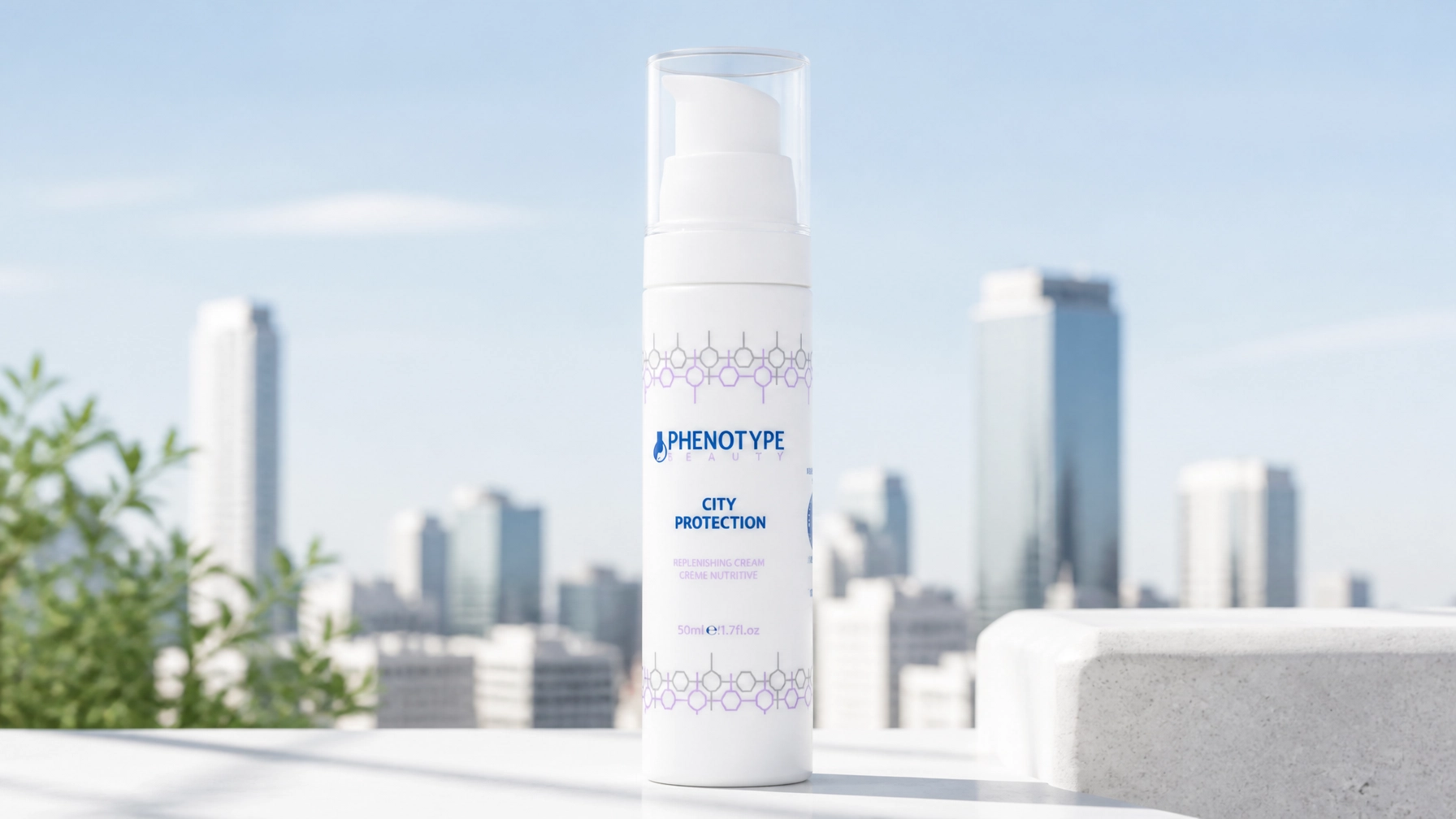
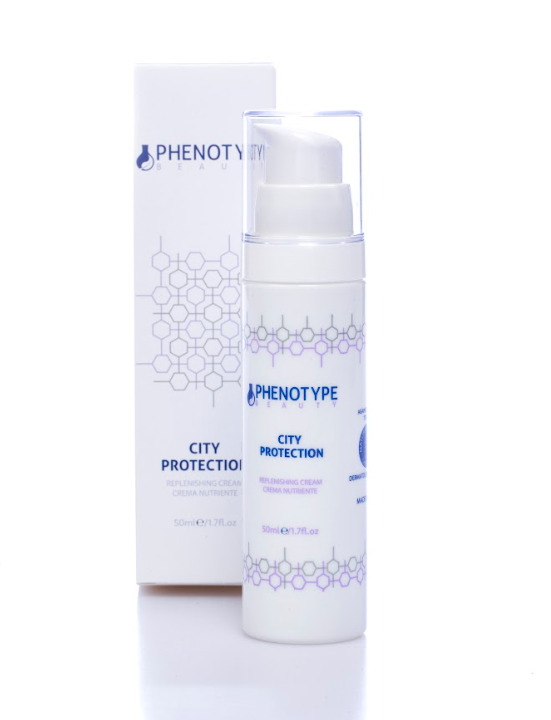
Phenotype Beauty’s City Protection Replenishing Cream is presented on its product page as a daily face moisturizer. It is intended as part of an urban skincare routine. Review the current product packaging for its directions, cautions and complete ingredient list before use.
The available product page does not provide a full ingredient list, so it is not possible here to assess which humectants, emollients, occlusives or barrier lipids the current formula contains. Do not infer barrier-repair performance from the product name or city-protection positioning alone. Check the label and use the same four-to-six-week observation approach if you decide to try it.

The practical takeaway
A moisturizer can temporarily soften skin, reduce dryness and help slow water loss. A formula designed to support the barrier may combine those moisturizing effects with relevant skin lipids, but no label term can guarantee a result.
Use the ingredient list to make an informed choice. Introduce one new product at a time. Track comfort and dryness for four to six weeks. If reactions persist or worsen, consult a dermatologist.
Leave a Reply